Trending

A reedbed behind a sewage works and a fen meadow two miles downstream can look much alike from a footpath. Both have open water, rushes, and the smell of wet soil. But one is a piece of treatment infrastructure with a design report and a maintenance schedule, and the other is a self-willed ecosystem with centuries of history behind it. Confusing the two is one of the most common and most expensive mistakes in catchment work.
So how do they actually compare when the job is cleaning water?
Both systems treat water using a short list of mechanisms: settling of solids, physical filtration through root mats and substrate, microbial conversion of ammonia and organic matter, uptake by plants, and sorption of phosphorus onto soil or media particles. The real difference is who decides the layout.
A constructed wetland is engineered. You choose the substrate — gravel, sand, or a medium selected for phosphorus capture — along with the depth, the flow path, and the planting. You can build a horizontal subsurface flow bed, a vertical flow bed dosed in pulses, a free-water surface pond, or a hybrid of these. You can draw the water level down or hold it up. That control is what makes performance predictable enough to be written into a discharge consent.
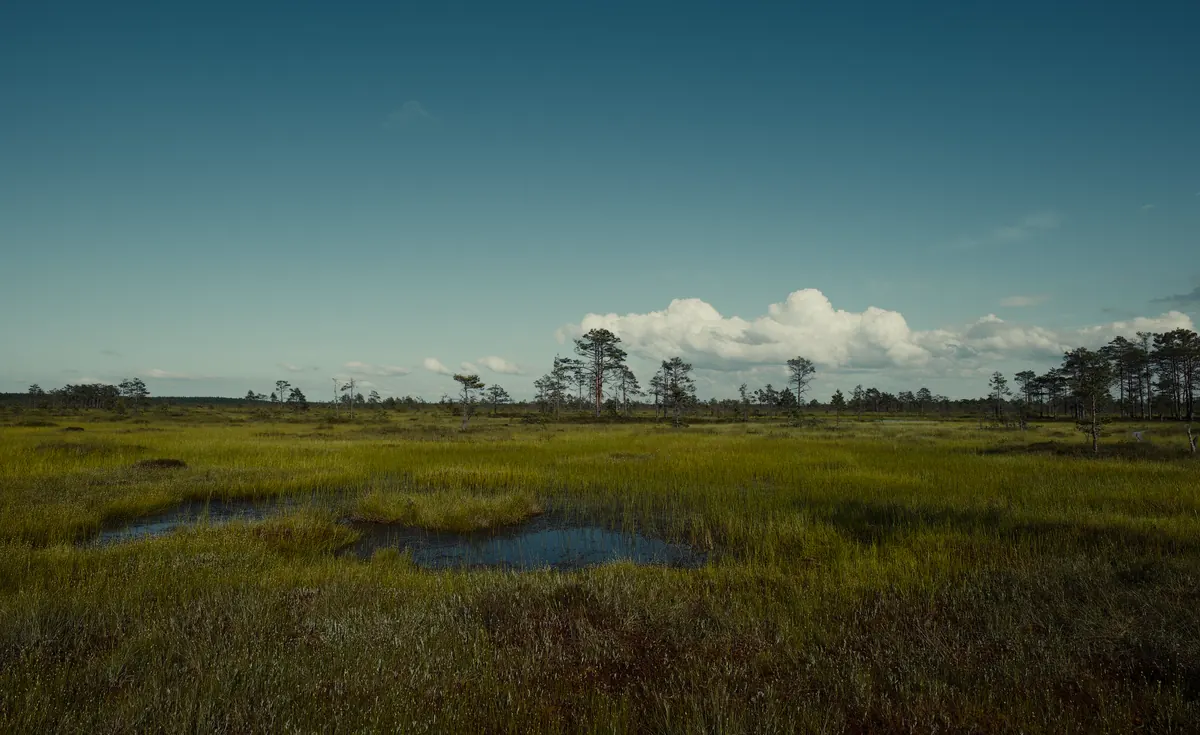
A natural wetland decides for itself. Its hydrology follows the weather and the geology rather than a flow diagram. Its soil is the product of decades of accumulation. Its vegetation shifts with water chemistry and management history. That gives it resilience and enormous ecological value — but it also means you cannot specify what comes out of the far end.
Constructed wetlands are at their best as secondary or tertiary polishing stages for small and medium flows: village sewage works, farmyard runoff, mine water, road drainage, and septic tank outfalls where a soakaway will not do. They need more land than people expect. A bed sized for a small community can occupy a whole field, and a vertical flow stage needs a pump or a dosing siphon to work properly.
They also need looking after. Inlets block, media clog, and short-circuiting has to be watched — water finding a fast route through one corner instead of the whole bed. Cutting back vegetation matters more than most people assume, because dead litter falling into the bed adds to the load you are trying to remove.
Natural wetlands are not a treatment stage you can install. Pumping partly treated sewage into a marsh and hoping is how you end up with a damaged marsh and a failed consent. The water carries ammonia, fine sediment, and often fragments of invasive plants; the wetland carries protected species and a legal designation. That is a bad trade in both directions.
Capital cost for a constructed wetland sits mostly in earthworks, lining, and media rather than machinery. Running costs are low, sludge production is minimal, and there is no noise. Land is the real currency, and it is often the reason a scheme stalls at the planning stage. Against a packaged plant or a small activated sludge unit, a wetland usually loses on area and wins on energy, maintenance skills, and neighbour relations.
A natural wetland costs nothing to build and a great deal to protect. If it degrades, restoration is slow and uncertain. Where a site is designated, the consenting route is longer and far stricter, and rightly so.
A well-designed constructed wetland can be a genuine habitat gain: open water, reed, wet scrub, and marshy grassland in a mosaic, in a landscape that has lost most of it. In England, biodiversity net gain requirements have pushed more developers to look at them seriously.
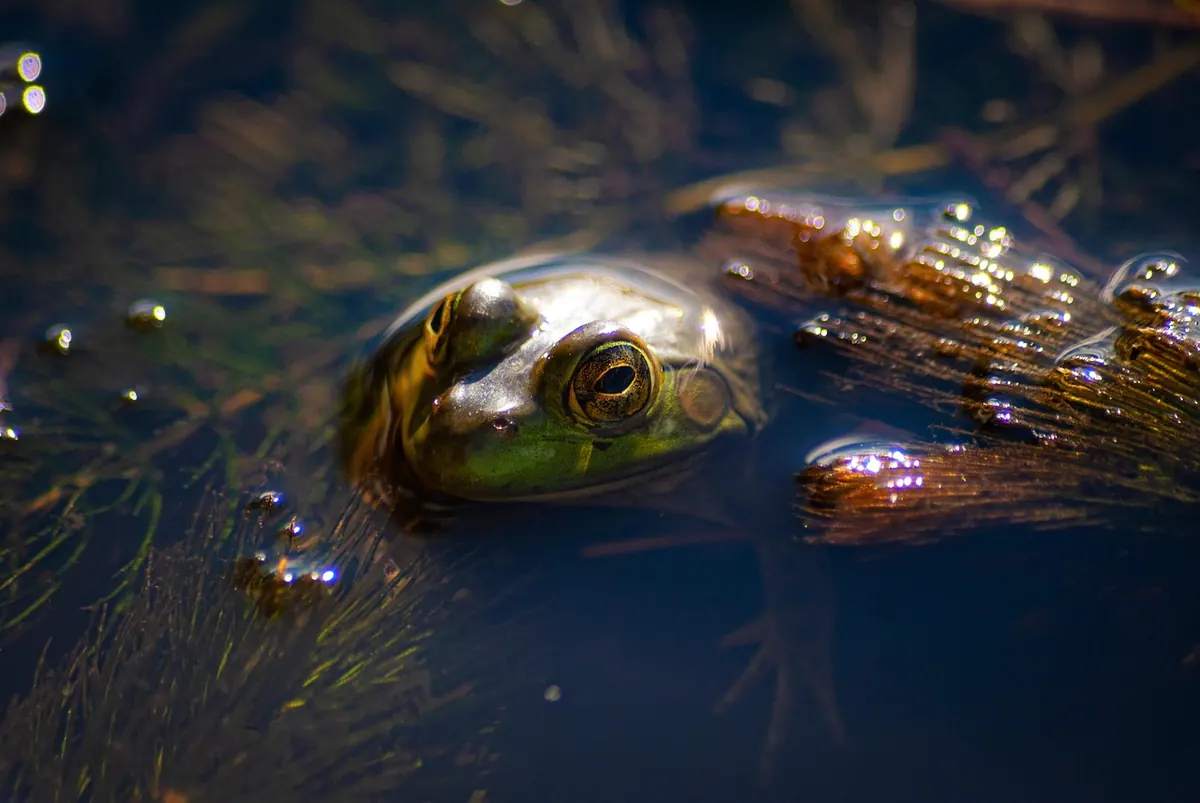
The caveats matter. Use native planting stock of local provenance, because a reedbed established with the wrong material can spread aggressively. Think about what the wetland attracts — birds loafing on a treatment site deposit nutrients, and amphibians and small mammals using a bed that receives effluent may be exposed to contaminants. Plan early for where accumulated sludge and saturated media will go.
For natural wetlands, the impacts run the other way. Even well-treated effluent changes water chemistry and hydrology. Nutrient-poor systems — bogs, fens, species-rich wet grassland — are the most vulnerable, and can flip towards nettles, rank reeds, and algal mats. Never route a new discharge into a pristine or designated wetland without specialist ecological advice and early conversations with the regulator.
Use constructed wetlands where you need verifiable performance, where the load is modest and the land is available. Use natural wetlands as the final stage of a catchment, receiving water that is already clean, and treat their protection as the objective rather than a by-product.
The schemes that work best are usually combinations: an engineered bed doing the measurable treatment, and a natural wetland downstream absorbing the variation and adding habitat. Design for the worst week of the year, not the average one. Visit in February, when everything is at its least photogenic and most informative. And keep a clear record of what you measure and why, because in ten years the person standing on that bank will want to know what the bed was built to do.
Photo: twinumber_two / Pixabay