Trending

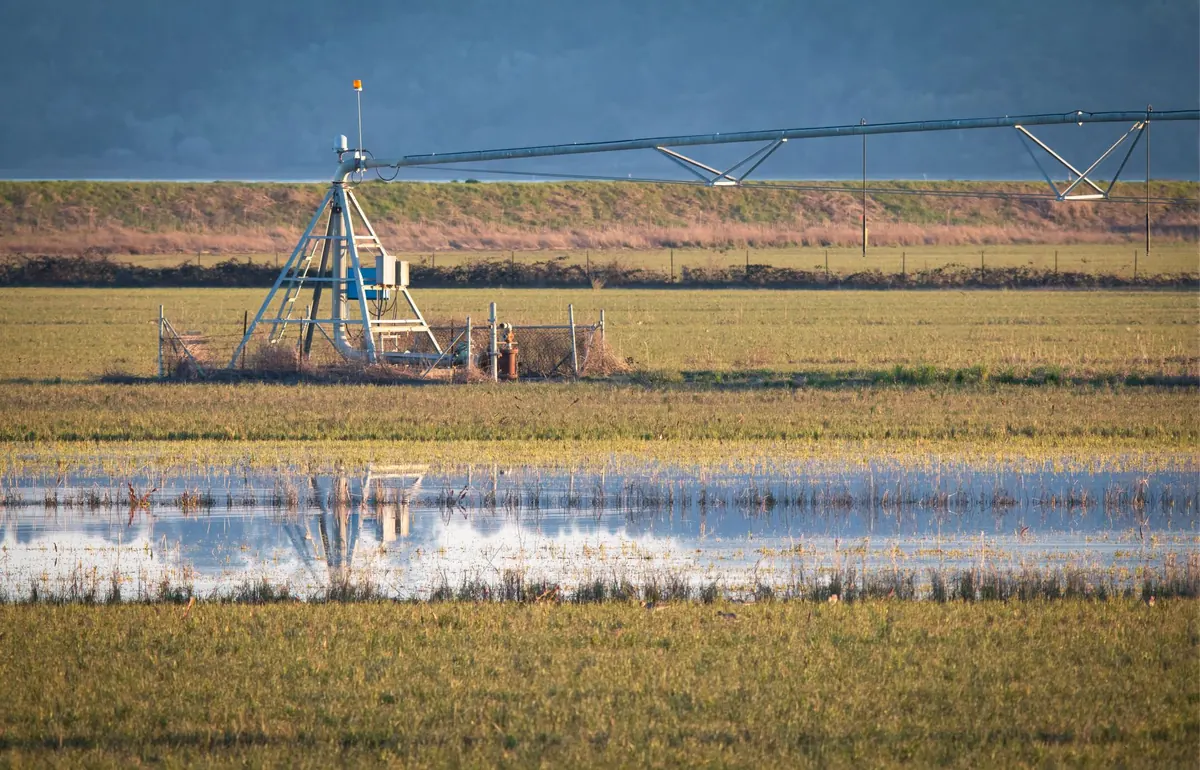
Walk along a floodplain after a week of steady rain and you notice something the river gauges downstream take longer to record: the water is not in a hurry. It has spread across tussocky ground, slipped into old channels and ditches, and slowed to a crawl. That slowing is not a side effect of a soggy field. It is the reason wetlands sit at the centre of any serious conversation about flooding.
In the UK, millions of properties sit within areas at risk of flooding, and the pattern of that risk is shifting as rainfall arrives in heavier bursts. Hard defences still protect towns and cities, and always will. But wetlands do something walls cannot: they hold water back, spread it out, and give a catchment room to breathe.
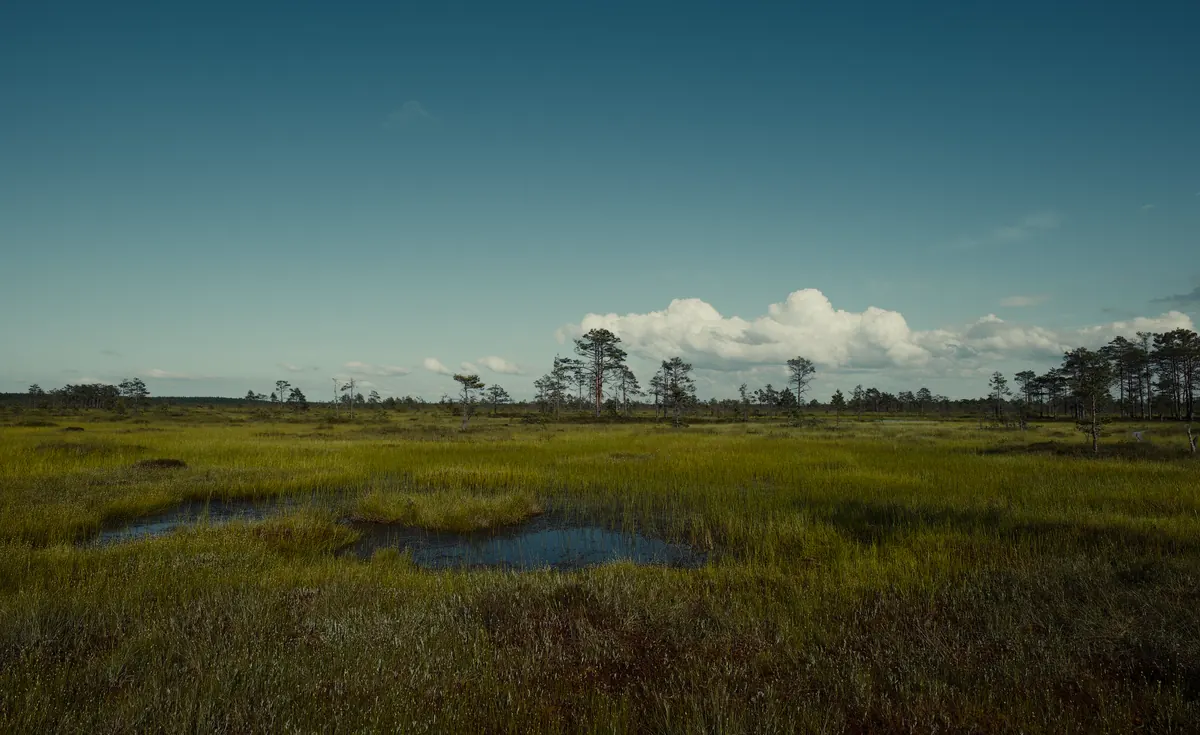
A functioning wetland is a rough, spongy, complicated place. Vegetation slows surface flow. Peat and organic soils soak up water and release it slowly. Hollows, pools, old ditches and braided channels act as small reservoirs, filling first and emptying last. None of these features is dramatic on its own. Together they change the timing of a flood.
The key word is timing. A river that rises quickly tends to peak sharply, and a sharp peak is what overwhelms a bridge, a culvert or a village street. If the same volume of water arrives over eighteen hours instead of six, the peak is lower and the damage is often far less. Wetlands buy that time within a catchment.
It helps to separate what wetlands actually do, because different schemes work on different parts of a flood.
Notice that none of these mechanisms destroys water. They move it in space and time. That is why a wetland scheme is best understood as a brake, not a barrier.
The Slowing the Flow partnership above Pickering is one of the most studied examples in the country. Rather than raising the town's walls, the project worked across the catchment: leaky dams made from large woody debris, new woodland, small storage areas on farmland and measures to hold water in the upper reaches. Monitoring was built in from the start, which matters, because the honest question is not whether a scheme looks good but whether it measurably reduces the flood peak.
On the Somerset coast, a managed realignment scheme let the estuary back onto farmland to create intertidal habitat. The logic is straightforward: give the tide somewhere to go, and it does less damage elsewhere. Saltmarsh and mudflat also soften waves, reducing the battering taken by hard defences further along. Similar thinking sits behind managed realignment on the Humber, where land has been deliberately flooded to take pressure off the estuary.
On the Peak District moors, work to rewet bare peat and block eroded gullies is mostly about habitat and water quality, but it has a flood dimension too. Bare, drained peat sheds water fast and carries sediment with it. Rewetted peat holds water and releases it more gradually, which helps downstream communities and reduces the treatment burden on water companies.
A licensed beaver trial in Devon gave researchers a rare chance to watch what dams and ponds do to a lowland river. The results are local, not national, and the farming tensions are real. But the principle is familiar: more water stored in the upper catchment, more complex channels, slower flow.
Wetlands are not a universal answer, and overselling them damages the case.
None of this means wetlands are not worth doing. It means they belong in a catchment plan alongside defences, land management, warning systems and sensible planning decisions — not instead of them.
If you are involved in a parish council, a flood action group, a farm or a rivers trust, the sequence that tends to work is unglamorous:
You do not need to own a wetland to support one. Check your flood risk on the national flood map for your part of the UK, and sign up for flood warnings if you are in a risk area — they arrive by phone, and they buy time that no wetland can. Join a local rivers trust, wildlife trust or flood action group; most run practical work days and all of them need people who know their stretch of water.
If you farm or manage land, talk to an adviser about current agri-environment funding before you design anything. The rules and payment rates change, and a scheme that stacks with existing support is far easier to justify than one that does not.
Wetlands will not stop every flood. But a catchment with more spongy ground, more rough channels and more places for water to pause is a catchment that floods more slowly — and slower floods are survivable ones.
Photo: David McElwee / Pexels