Trending

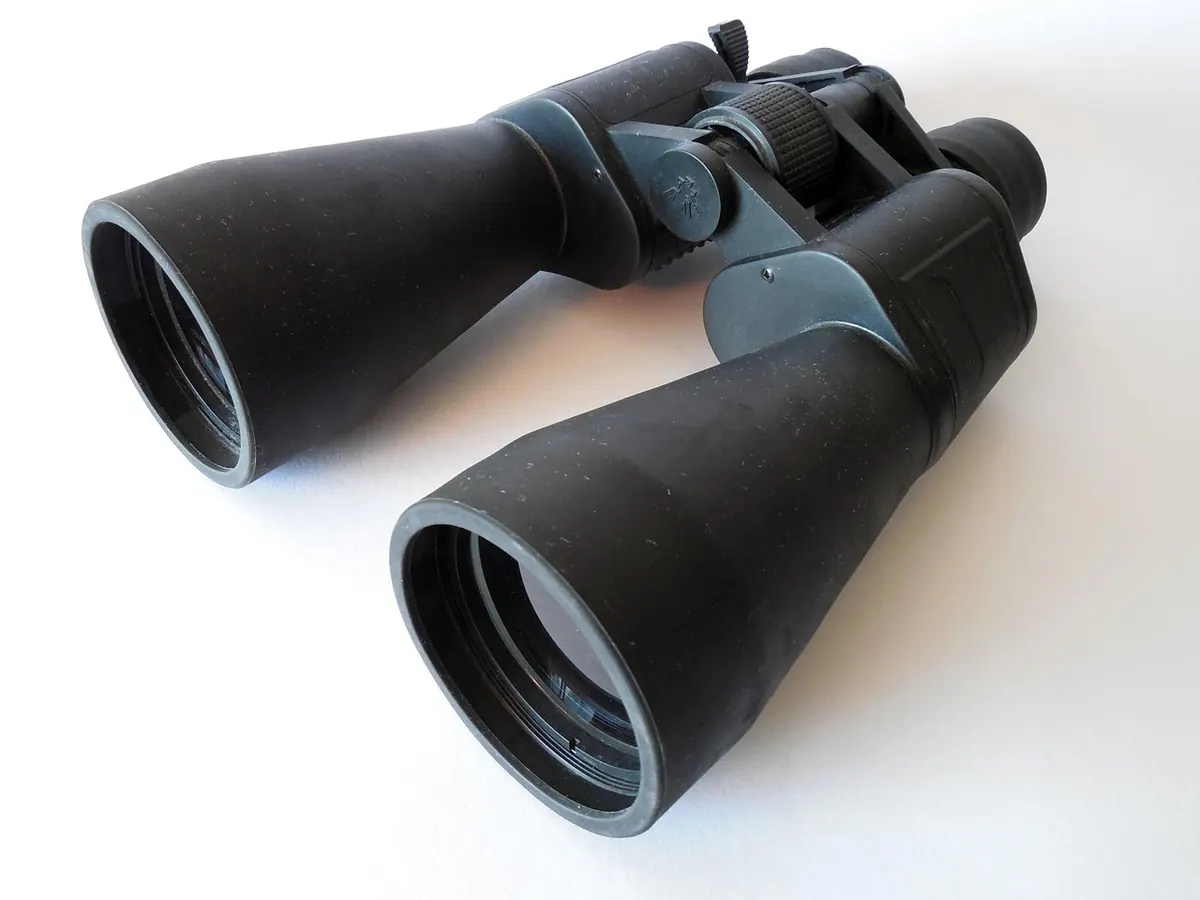
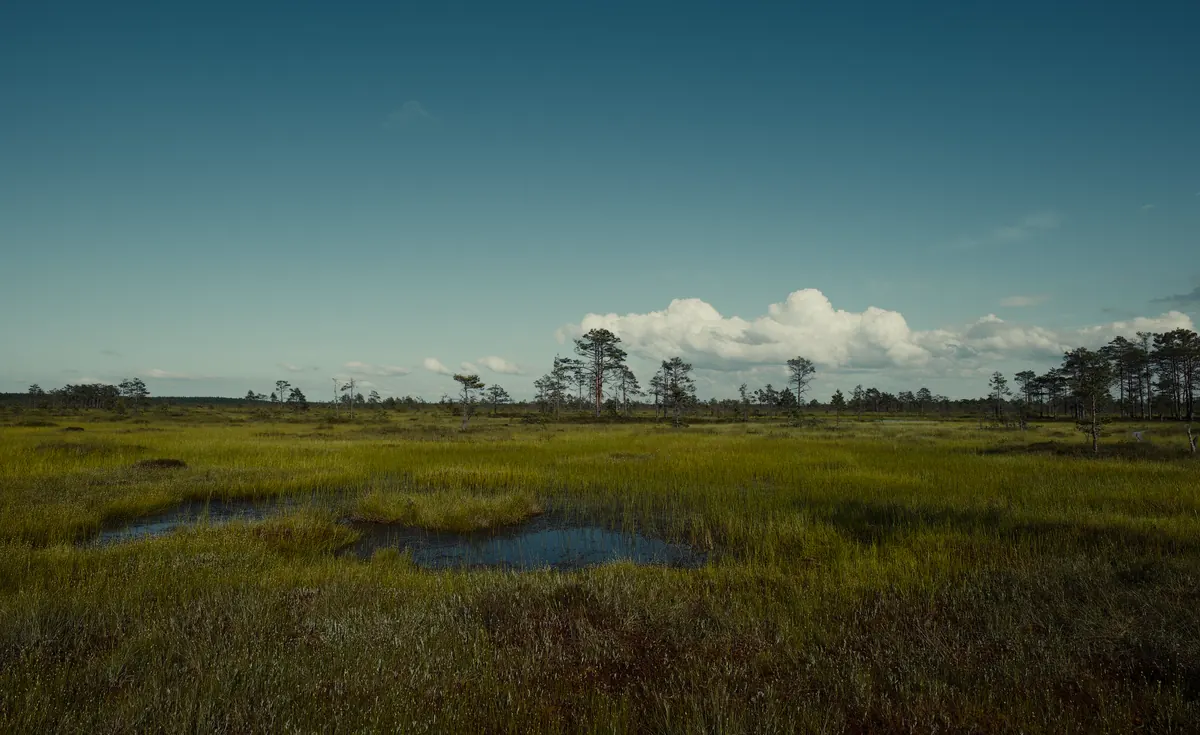
Spring and autumn turn a British wetland into a different place almost weekly. One visit brings a pair of little ringed plovers on the shingle and a sedge warbler singing from the reed edge; a fortnight later the same pool holds forty teal, a lingering greenshank and a scatter of chiffchaffs working through the willows. That turnover is the appeal, and also the difficulty: without a consistent approach, you cannot tell a genuine arrival from a bird you simply missed.
A good seasonal checklist does two jobs. It reminds you what to expect and when, and it forces your recording to stay comparable from visit to visit. Here is how to build one that works on real sites.
Spring passage is compressed and urgent. Birds are heading north to breed, many are in fresh plumage and in song, and the whole movement can be pushed or stalled by weather. A night of rain with winds off the continent can drop migrants into a wetland by morning; a clear night with a southerly airflow can empty it again. Water levels are usually high, muddy margins are shrinking, and waders often have little feeding edge to use.
Autumn is slower and longer, stretching from returning adult waders in July through to wildfowl arriving into November. It is harder work. Many birds are juveniles in subtle plumage, most are silent, and ducks are moulting into confusing eclipse dress. The compensation is habitat: falling water levels expose exactly the drawdown mud that waders want, so the best autumn days are often on a site that looks half-empty in spring.
Sort the groundwork in advance, when you are not distracted by birds. Confirm access with the landowner, reserve warden or farm office, walk the boundaries, and note which paths let you reach a vantage point without pushing birds off the water. Check tide times for estuarine sites and ask about water-level management — a planned drawdown will change everything about where birds feed.
Useful kit for a full season:
One legal point worth settling early: species listed on Schedule 1 of the Wildlife and Countryside Act have extra protection, and disturbing them at or near a nest can be an offence. If your survey involves approaching nests or using playback, check the position with the relevant statutory body before you start.
Work through the site in a fixed order so nothing gets skipped — open water first, then margins, then scrub and reedbed.
Autumn rewards patience more than timing. Expect the wader list to build through August and peak on the mudflats and pool edges, with wildfowl numbers climbing behind it.
Pick one method per visit and stick to it, so the effort is repeatable. Most wetland recording sits within four approaches.
Whatever the method, record the effort as well as the birds: start and finish times, weather, wind direction, water level and any disturbance. A count of two hundred wigeon means little without knowing how much of the site you could actually see.
Autumn waders are the classic pitfall. Juvenile dunlin, curlew sandpiper and little stint can look confusingly alike on a heat-hazed mudflat, so watch for structure and feeding behaviour before plumage. Learn the contact calls — a single flight call often settles an identification that a scope view cannot.
Ducks in eclipse plumage lose the obvious drake features, and female and juvenile wildfowl need careful attention to head shape, bill pattern and wing markings. Silent autumn warblers are another recurring problem; take your time, note what you can genuinely see, and record uncertainty plainly rather than forcing a name.
A short, disciplined routine turns a pleasant morning into a usable record.
Do that consistently across a spring and an autumn, and you will end up with something more valuable than a list of good birds: a season-long picture of how your wetland is actually used.
Photo: succo / Pixabay