Trending

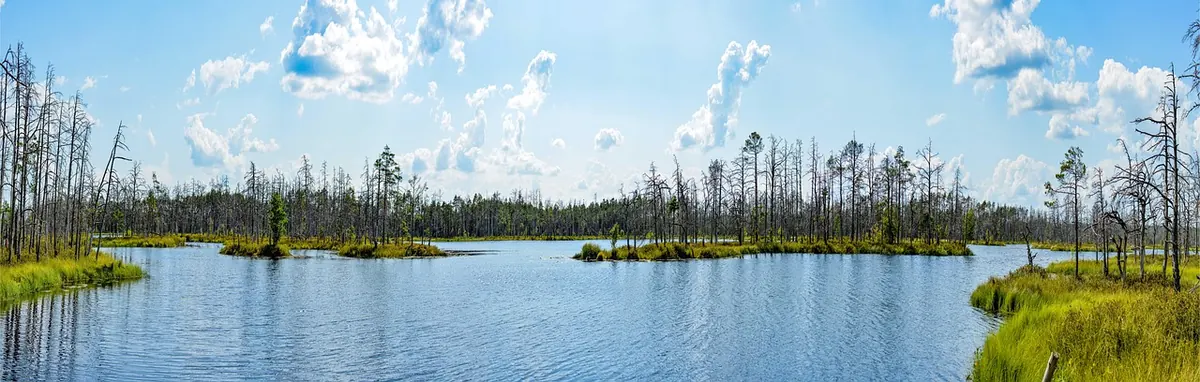
Knee-deep in a fen ditch with a hand lens in one hand and a dripping stem in the other is not the easiest place to learn plant identification. Wetland plants repay patience, though. The species growing in a single marsh can tell you more about water chemistry, hydrology and land use than a season of water testing — if you can name them. The trick is to stop trying to identify everything at once, and instead to notice a few structural features that stay reliable through the year.
What follows assumes no botanical training, only boots and curiosity.
A plant growing in water has problems that a chalk-downland flower does not. Oxygen is scarce in waterlogged mud, currents pull at stems, and water levels can swing by half a metre between spring and summer. Many species respond by changing shape.
Amphibious bistort floats flat, leathery leaves on open water, then pushes up narrow, hairy, upright leaves on damp ground a metre away. Water crowfoots produce thread-like submerged leaves, floating lobed leaves and small white flowers, sometimes on the same plant. Same species, three different appearances.
Sedges and rushes often flower briefly; grazing and summer cutting remove the seed heads that made a plant obvious in May; and clonal growth means a whole patch of one species can sit there without a single flower. Wetland identification is often vegetative, which is why the features below matter more than colour.
Most beginner frustration comes from these three groups, which look alike from a distance and behave quite differently up close. Sedges usually have triangular stems and leaves in three ranks; their flowers sit in spikelets made of overlapping scales. Rushes have round, smooth stems and flowers with six little papery parts, more like a lily than a grass. Grasses have round stems with joints, two-ranked leaves and sheaths that split or wrap.
Sedges have edges, rushes are round, grasses have joints when the cops aren't around.
The rhyme is a starting point, not a rule. Some club-rushes are sedges with round stems, and soft rush holds a white pith you can pull out like a wire. Use the rhyme to decide which key to open, then confirm with the spikelets.
Photograph rather than pick where you can. If you do take a specimen, keep it small, avoid uprooting anything, and check the rules of the site first — many reserves and all protected sites have restrictions, and some plants are legally protected.
A good key beats any image-matching app. The Field Studies Council fold-out guides are cheap, laminated and genuinely usable in the rain, and the BSBI handbooks go deeper on difficult groups. For year-round work, The Vegetative Key to the British Flora by Poland and Clement is the standard route into sterile material.
Apps have their place. They are quick for a first guess, but they are unreliable on sedges, water crowfoots and anything in a rosette, so treat the suggestion as a hypothesis to check against a key.
Beyond books, the fastest progress comes from people. Your county botanical recorder, the local wildlife trust, a Wildflower Society group or a wetland site's volunteer team will usually verify a photograph or a record. Recording on iRecord, with a grid reference and a date, turns a hobby into something useful.
Wet ground hides deep holes, and reedbeds hide them well. Never wade alone into anything you have not probed, keep to boardwalks and paths on reserves, and turn back if the water rises behind you. Several wetland plants are toxic if eaten or handled carelessly — hemlock water dropwort is the one to know by sight — so wash your hands before eating, and never taste a plant to identify it. If you are unsure about a site's safety, access or protections, ask the landowner or the relevant conservation body before you visit.
Then start small. Pick one pond, one ditch or one flood meadow and visit it monthly for a season. Learn ten plants there properly — common reed, reed sweet-grass, yellow flag iris, purple loosestrife, water mint, marsh marigold, bulrush, soft rush and a couple of sedges will do — until you can name them without flowers. Everything else gets easier once that handful is familiar, and you will find the next twenty species arrive almost on their own.
Photo: lauvens / Pixabay