Trending

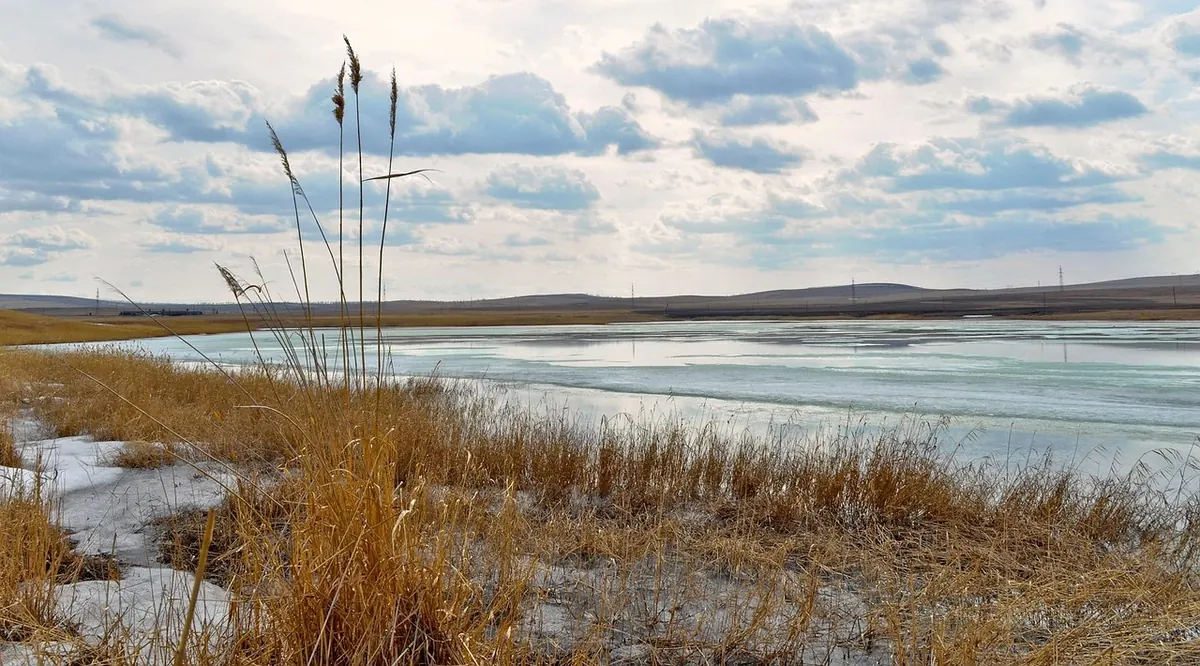
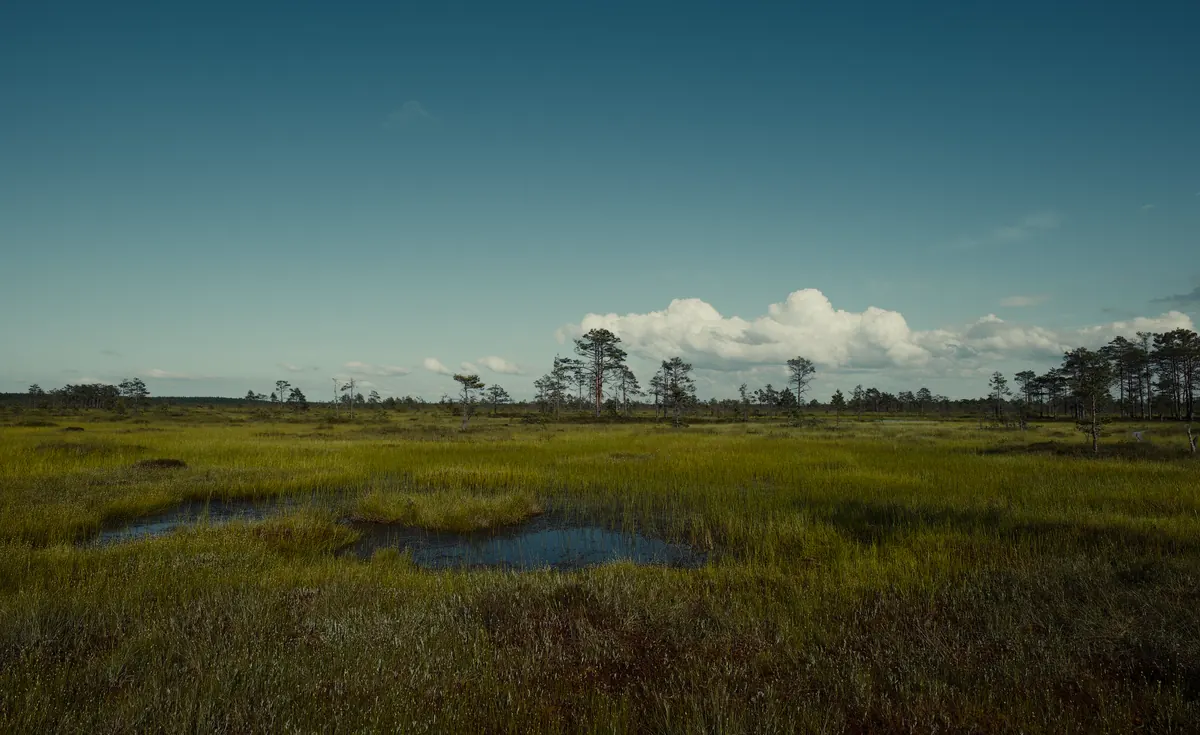
A January wetland can look finished. The reeds are brown, the water is the colour of wet slate, and the only movement is a heron standing in the rain, waiting. Stand still for ten minutes and the picture changes: a teal flushes from a hidden dyke, a moorhen argues in the willow scrub, something small shifts under the ice.
Winter in a British wetland is not a shutdown. It is a change of gear. Cold water and rising levels push plants and animals into strategies — dormancy, antifreeze, escape, congregation — that are every bit as active as anything happening in June.
Water does something useful as it cools: it holds more dissolved oxygen. That is one reason so many aquatic invertebrates stay busy through the winter. Stonefly and mayfly nymphs, freshwater shrimp and caddis larvae carry on feeding in water that would leave a swimmer gasping.
Trouble starts when the surface freezes. Ice and snow block light and slow the exchange of gases, while rotting leaves and stems on the bottom carry on consuming oxygen. In a shallow, enriched pond with a thick layer of decaying vegetation, levels can fall far enough to stress fish. Deeper pools and groundwater-fed channels hold up much better, and a few degrees of warmth from a spring can keep an entire colony of invertebrates alive.
Most wetland perennials do not fight the cold. They withdraw. Reeds, sedges, rushes and yellow flag iris die back to rhizomes and tubers in the mud, running on starch stored the previous summer. Their hollow air channels — aerenchyma — normally carry oxygen down to roots in airless, waterlogged soil, but demand drops sharply in winter.
A few plants keep a quiet presence. Sphagnum grows slowly at low temperatures, part of the reason peat keeps accumulating through the winter, and a film of algae and diatoms can persist under clear ice. Alder catkins hang over the water. Crack willow does something useful for its own spread: brittle twigs snap off in gales and floods, float downstream and root where they lodge.
Under everything, the seed bank waits. Many wetland seeds need a spell of cold, damp conditions before they will germinate — frost is not the enemy of a marsh, it is part of the trigger.
It is tempting to cut everything back in January. Resist. Standing stems, hollow tussocks and banks of reed litter are winter accommodation: hibernation sites, egg cases and pupae, shelter for small mammals and cover for birds. Tidy up in late spring, once the frosts have passed.
Invertebrates use two broad chemical tricks, plus a few behavioural ones.
Frogs, toads and newts overwinter in the mud at the bottom of ponds, in leaf litter, under logs and stones, even in other animals' burrows. They tolerate low oxygen by slowing their metabolism, but a pond frozen for weeks and packed with rotting vegetation is a risky place to spend January.
Fish do something similar. As water cools they become torpid and gather in the deepest, most sheltered spots. Ice is a lid on a closed system. In most British wetlands that is survivable; in a small, shallow, over-planted pond it can lead to winterkill.
If you look after a garden pond, avoid smashing the ice. The shock travels through the water, disturbs everything in it, and broken ice removes the insulating layer. Float a pan of hot water on the surface to melt a hole instead — one hole, not the whole pond.
For birds, British wetlands in winter are a destination rather than a dead end. Teal, wigeon, shoveler and gadwall arrive from further north and east. Estuaries fill with goldeneye, red-breasted mergansers and goosanders. Wet grassland holds lapwing, golden plover and curlew, while whooper swans and pink-footed geese use the larger washes.
Reedbeds matter most at dusk. A bittern, scattered and invisible in the breeding season, will roost communally in winter reeds, often several birds within a few dozen metres, feeding on fish, eels and amphibians in nearby dykes. Cold snaps push birds towards the coast, where tidal water freezes less readily.
That is why disturbance costs so much now. Every flush burns energy a bird cannot easily replace on a short, cold day, and repeated disturbance can move birds off the best feeding areas altogether.
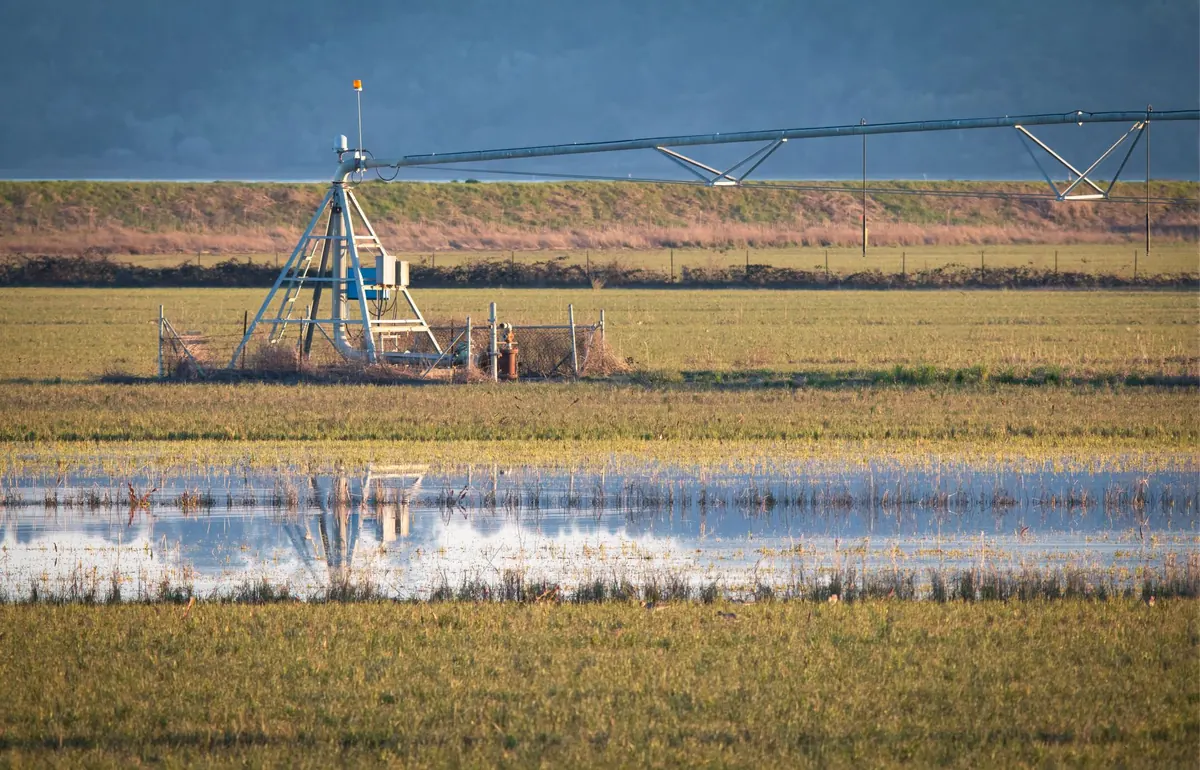
Winter is when rivers take back their floodplains. High water reconnects channel and marsh, carrying sediment, seeds and nutrients across wet grassland. Fish move onto flooded fields to shelter and feed, and in early spring pike spawn in the flooded grass at the margins. The flood is part of the calendar, not an interruption of it.
It is not gentle for everything. Small mammals can drown, nests wash out, and invertebrate communities in a fast flood may be scoured away. But wetland species are adapted to a system that pulses. The greater damage usually comes from the opposite: straightened rivers, drained floodplains and hard banks that leave wildlife nowhere to go when the water rises.
Low vegetation and concentrated birds make winter one of the best times to learn a wetland. A few habits will get you more from a visit.
Record what you see if you want it to count. The Wetland Bird Survey, BirdTrack and iRecord all take sightings from volunteers, and those records shape how sites are managed.
Photo: Larisa-K / Pixabay